
OUR PROGRAM
©BAFROW
Combatting Practices that are Harmful to Women's Health, including FGM
From 1996 to 2009, we implemented a Comprehensive Integrated Program for the Prevention of Female Genital Mutilation (FGM), aimed at restructuring the passage rites of girls to exclude genital cutting. The concept was promoted as Initiation Without Cutting.
Following extensive consultations with circumcisers, community members and policy makers, BAFROW developed a curriculum to guide the restructuring of girls’ initiation rites. The curriculum, titled “BAFROW’s Curriculum for Initiation Rites,” was translated into mandinka (ŋansiŋ yaa karaŋo), fula (Juŋde NjuLLiibe) and jola (Karaŋ ŋeti Kuŋansiŋai), which are among the three most spoken languages in The Gambia.
Activities under the program were implemented across six main components, each designed to promote cultural continuity while safeguarding the health and rights of girls.
Transforming Circumcisers into Health Mobilizers
©BAFROW
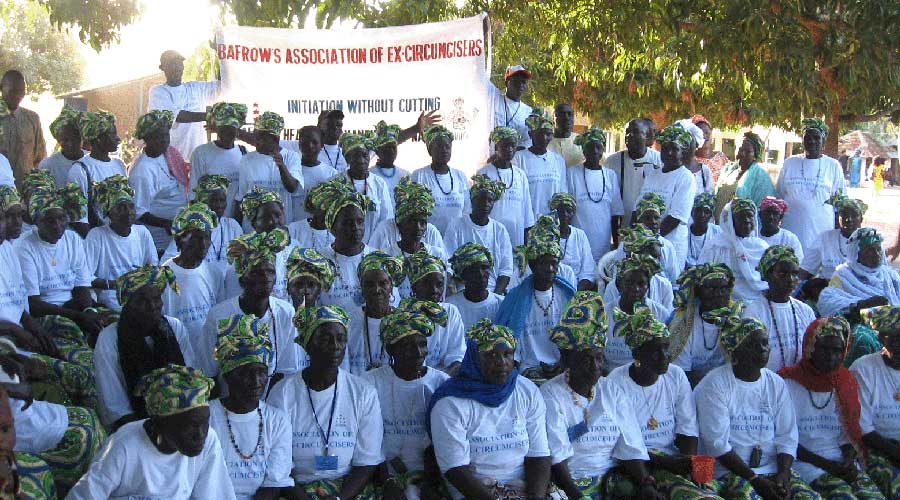
BAFROW’s Association of Ex-Circumcisers, comprising 178 active members across different administrative districts.
To end FGM and promote positive practices that protect and advance women and girls, BAFROW engaged with circumcisers and their assistants, guiding them toward new roles as Community Health Mobilizers, educators and behaviour change influencers.
- 200 ex-circumcisers and assistants were equipped with essential knowledge and skills in community mobilization, awareness creation, advocacy and counselling, enabling them to assume leadership roles in health promotion.
- 50 ex-circumcisers and assistants were trained on the content and application of BAFROW’s Curriculum for Initiation Rites, ensuring its effective use in new passage rite ceremonies that preserve cultural identity without cutting
Association of Ex-Circumcisers
This work led to the formation of BAFROW’s Association of Ex-Circumcisers, which now has 178 active members across different administrative districts.
The members remain committed to:
- Influencing practising circumcisers to abandon cutting
- Advocating for improved health and protection services in their communities
- Serving as agents of social mobilization and behaviour change, and ensuring cultural practices evolve in ways that protect women and girls
With the national ban on the practice in 2015, their focus has since shifted to include sensitization on applying the law as a means of dissuading underground practices.
Social Mobilization and IEC
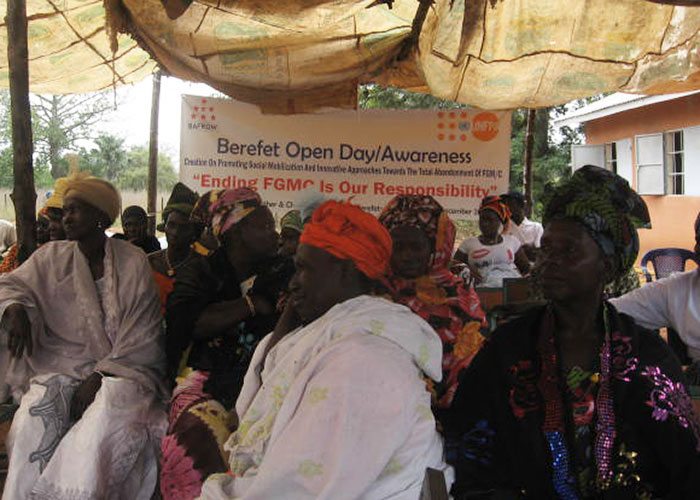
Armed with the Curriculum for Initiation Rites, knowledge, skills and diverse pictorial IEC materials, ex-circumcisers and their assistants, working alongside Community-Based Counsellors (CBCs), embarked on extensive social mobilization, advocacy and behaviour change activities across their communities.
- Over 300 villages were mobilized for awareness campaigns on the advantages of alternatives rite of passage for girls
- The teams collaborated closely with community leaders (religious, traditional and local authorities), as well as BAFROW’s Male Action Group and Youth Advocacy Group, to shift attitudes toward FGM and promote adoption of the new rite
©BAFROW
Community mobilization contributed to tackling stigma and myths surrounding FGM.
- Once a community reached unanimous agreement, it called for an alternative rite ceremony with BAFROW’s support
- More than 10,000 girls were registered into the program, marking a significant milestone in cultural transformation
Health Sector Engagement
At our health facility level, we mobilized and trained 300 student nurses, health professionals and extension workers from across the country on obstetric risk factors and complications associated with FGM. The training also introduced participants to the Alternative Rites of Passage Program, highlighting culturally respectful approaches that safeguard health and dignity.
A central focus of the sessions was the harmful practice of clinical cutting. Trainees were equipped with knowledge and strategies to recognize its dangers and to actively prevent its occurrence. They were encouraged to reinforce the principle that medicalization of FGM must never be accepted.
Child Welfare and Protection Program
©BAFROW
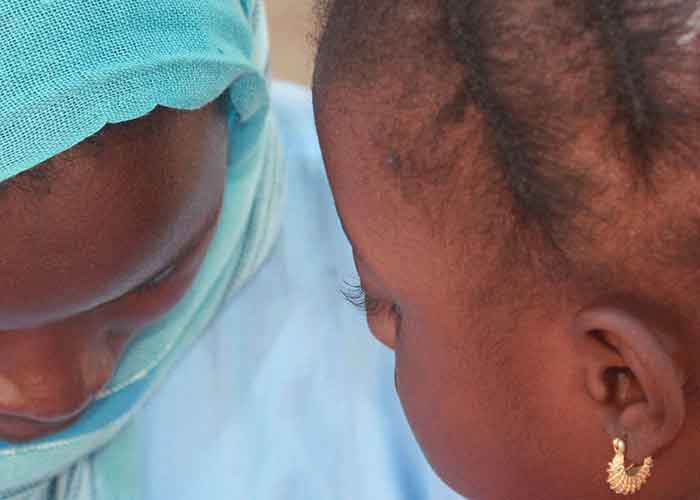
Children aged five and under were enrolled in the program to protect them from FGM, abuse and exploitation.
As part of our integrated health and empowerment initiatives, our beneficiaries enrolled their children under the age of six in the Child Welfare and Protection Program to protect them from FGM, abuse and exploitation.
This program formed part of our longitudinal study on Children at Risk of FGM and ensured that enrolled children were:
- Monitored regularly for up to seven years by our doctors and counsellors/social workers to track physical and psychological milestones and ensure parental care and protection
- Registered in the Alternative Rites of Passage Program with parental consent to guarantee their inclusion in a safe and culturally meaningful initiation process
- Prepared for participation in the initiation camp only when they were old enough to understand their experiences
Parental Engagement
Throughout the program, we maintained continuous dialogue and education with the parents to secure their buy-in and ownership of the new passage rites concept, ensure the girls remained enrolled in the program, and guarantee that they remained uncut and protected.
My Baby Tree Initiative
Building upon the Child Welfare and Protection Program, the My Baby Tree Initiative promoted tree planting as a symbol of family commitment to both abandoning FGM and protecting the environment. It also extended our work with project beneficiaries on environmental conservation.
©BAFROW
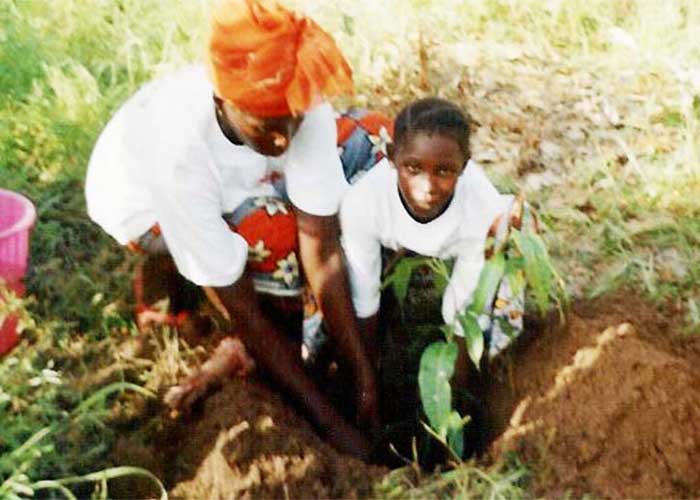
Tree planting symbolized parents’ pledge to safeguard their children’s well‑being by rejecting FGM and child violence, while restoring the environment.
How It Worked
- On enrolment day, the parents of each child in the Child Welfare Program planted a tree. This act symbolized their pledge to protect their children’s well-being by rejecting FGM and child violence, while contributing to environmental restoration
- Parents cared for the trees until the children were old enough to assume responsibility for them
- Non-participating families were encouraged to plant trees alongside our beneficiaries, leading to the creation of community woodlots
Impact
The Program:
- Strengthened the link between community child protection and environmental oversight
- Fostered a culture of environmental protection and management among children and communities
- Promoted sustainability by combining social change (abandoning FGM) with ecological restoration
Alternative Rites of Passage Program: Initiation Without Cutting Ceremony
©BAFROW
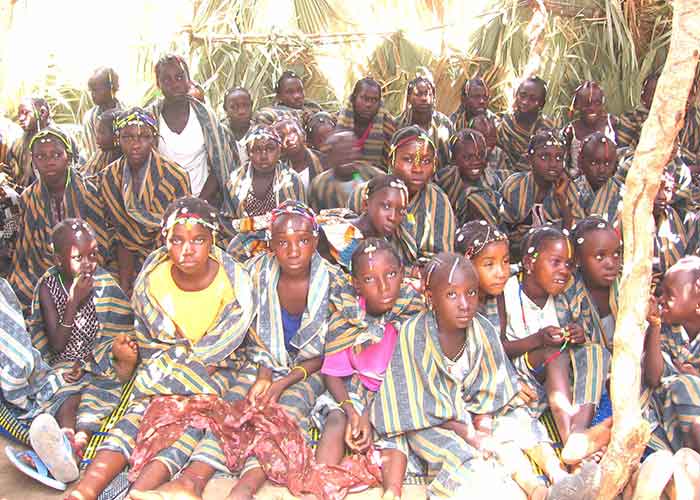
In 2005, 150 girls aged 7–17 took part in The Gambia’s first large‑scale alternative rite of passage ceremony.
The goal of the program was to ensure girls experienced a revised passage rite ceremony that preserved and enhanced positive cultural practices associated with FGM, but without genital cutting. Supported by extensive awareness creation and social mobilization led by trained ex-circumcisers, their assistants and CBCs, more than 10,000 girls were identified and enrolled in the program.
The First Large-Scale Ceremony
In 2005, we held the first large-scale alternative passage rite ceremony in The Gambia for 150 girls aged 7–17, selected from six villages in the Central River Region. The ceremony took place over 15 days in the initiation camp (Kuulong Sansango), led by ex-circumcisers and guided by BAFROW’s Curriculum for Initiation Rites.
HIGHLIGHTS OF THE EVENT
Overview of Curriculum
Health
- Locations and functions of vital body organs
- Personal and environmental hygiene, including food preparation
- Food taboos, healthy eating and nutrition
- Health complications of FGM
- Psychological, psychosocial and physical risks of child marriage and teenage pregnancy
- Mother and child health
Religion
- Duties of a Muslim woman
- Rights and responsibilities of Muslim women and men
- Requirements for religious ceremonies (marriage, naming and funeral rites)
Socio-Cultural Issues
- Respect for elders
- Guidance on being a responsible person
- Gender stereotyping, biases and myths that devalue women and girls
- Child rights, abuse and exploitation
Inclusive Learning Methods
- Songs were used to reinforce lessons, portraying women and girls as intelligent, capable and empowered
- Basic sign language was incorporated to accommodate children with speech and hearing disabilities
Graduation of Initiates
- A graduation ceremony was held for the girls, attended by families, community members and district-level dignitaries
- The outcome was a collective commitment by initiates, families, communities and local leaders to adopt new rites of passage and abandon the cutting permanently
Baalu Niima (Better Life) for Ex-Circumcisers and their Communities
Key motivators for the persistence of FGM include the social status and financial benefits the practice affords circumcisers and their assistants.
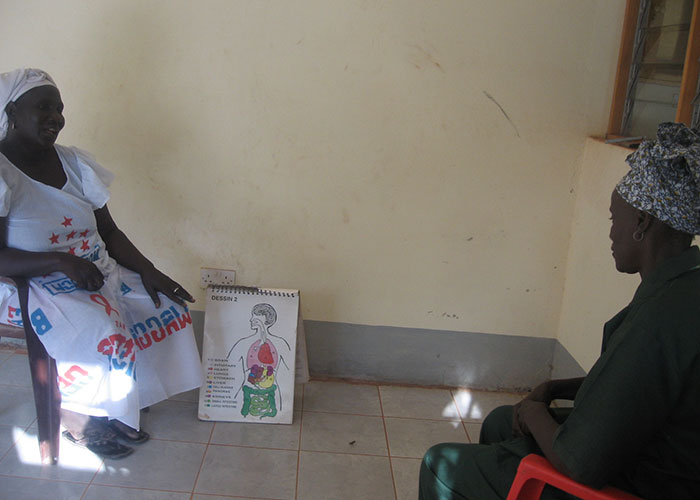
The Baalu Niima component was designed to address this issue by ensuring ex-circumcisers retained their social standing and community respect, while transitioning into new, positive roles.
©BAFROW
Ex‑circumcisers were supported with new, positive roles that preserved their social standing, community respect and income.
Functional Literacy and Knowledge Building
Through our Functional Literacy Program, participants were educated on interconnected subjects including:
- FGM and other harmful traditional practices that affect women and girls
- Reproductive and sexual health and rights
- HIV prevention
- Women’s and girls’ rights, and girls’ education
- Environmental health and its linkages to community well-being
This knowledge enabled them to serve as the go-to person for women’s and girls’ rights issues including FGM, while continuing to:
- Engage their communities through one-to-one and group counselling and dialogues
- Rally practising circumcisers away from the cutting
- Promote the Alternative Rites of Passage concept
Economic Empowerment
50 ex-circumcisers and assistants directly benefited from the Economic Empowerment Program–gaining financial independence and sustainable livelihoods–through:
- Training in alternative income-generating skills such as baking, tailoring, tie & dye and food processing /preservation
- Access to group and individual loans to establish small-scale businesses
-
BAFROW
156, Mosque Road, Serrekunda,The Gambia
- +220 66 25 639, +220 37 73 500
- info@bafrow.org
-
BAFROW Model Centre
Mandinaba Village, West Coast Region, The Gambia
- +220 37 00 783
© 2026 BAFROW