World Sickle Cell Day is observed each year to raise awareness about sickle cell disorder and its impact on the lives of those living with the condition as well as their families and loved ones.
This year, we strengthened our commitment to raising awareness and supporting patients by implementing the following activities:
Awareness and screening at facility level: We conducted targeted awareness sessions for both patients and staff, and offered genotype testing to promote early detection and informed care
Information sharing: Key messages on Sickle Cell Disease were displayed on our electronic message board to reach a wider audience within our hospital
Online education: We published a set of Frequently Asked Questions (FAQs) on Sickle Cell Disease on our website, providing accessible information for patients, families and the community
More from this event
Awareness creation at BAFROW Medical Centre
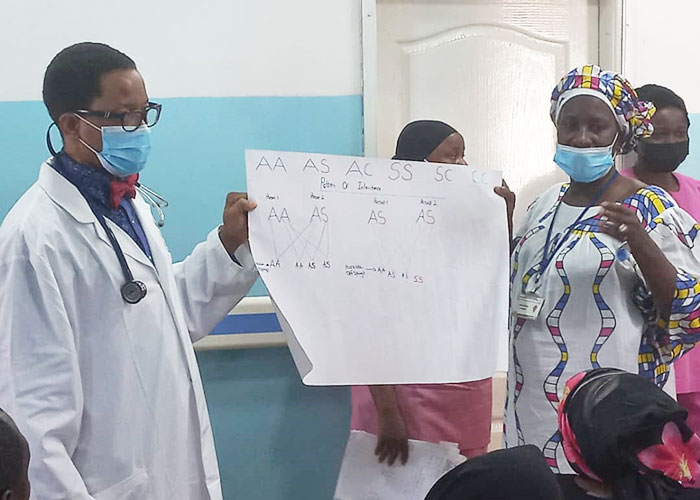
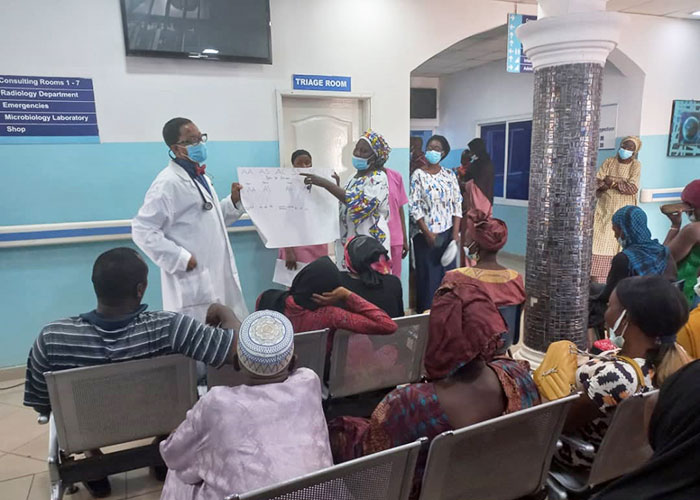
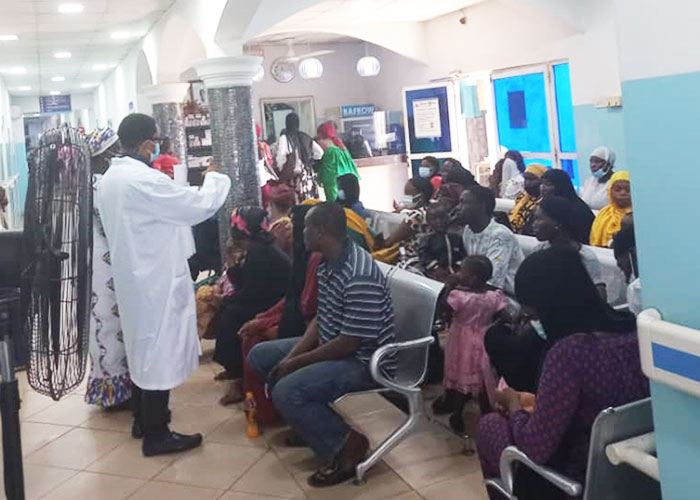
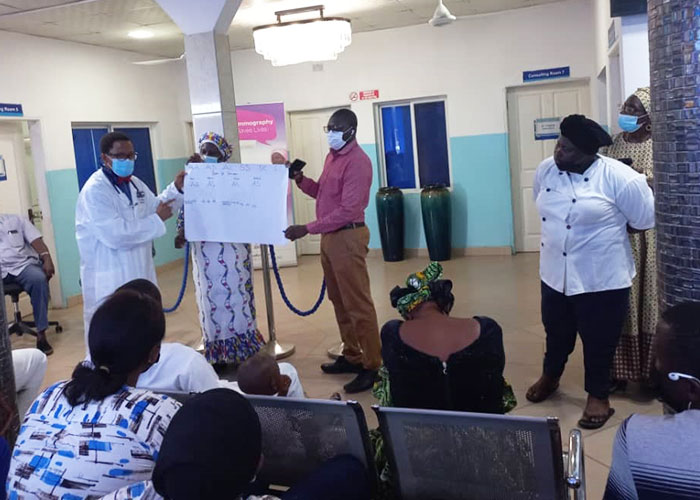
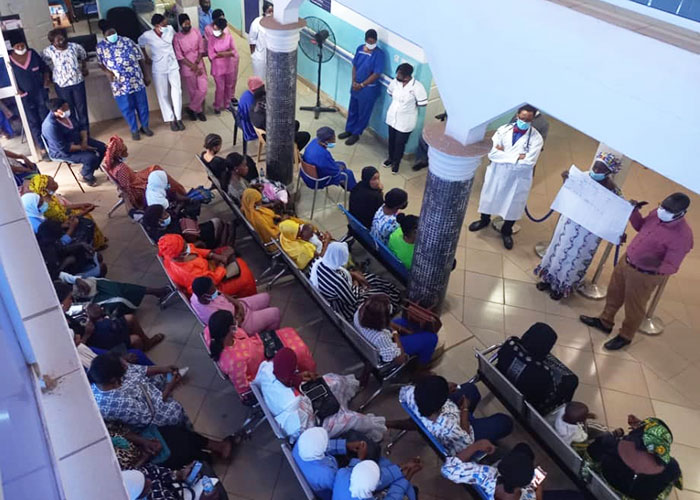
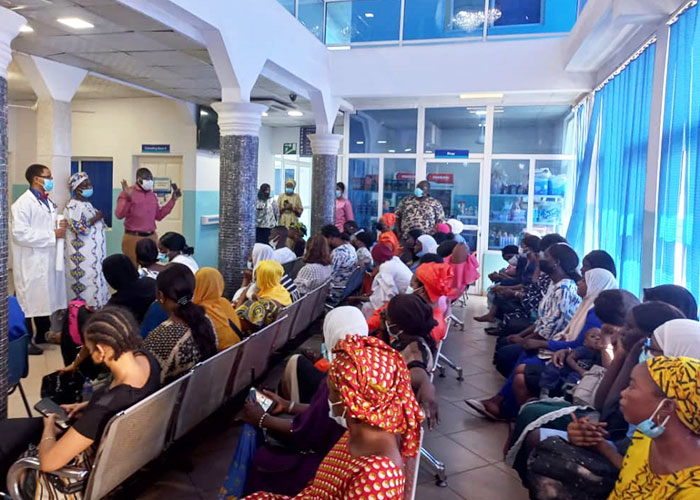
On Monday, 20 June 2022, our Consultant Paediatrician, Dr. Oladele F. Olagbegi, led a series of educational sessions across all outpatient waiting areas at BAFROW Medical Centre. These sessions aimed to raise awareness about Sickle Cell Disease, a serious genetic condition that continues to affect many families in The Gambia and beyond.
Dr. Olagbegi’s presentation covered essential topics, including:
Understanding Sickle Cell Disease, which is a serious inherited blood disorder caused by a mutation in the haemoglobin gene. It leads to the production of abnormal, sickle-shaped red blood cells that can block blood flow, reduce oxygen delivery and cause severe health complications such as pain crises, anaemia, organ damage and increased risk of infection.
Inheritance Patterns, focusing on how the disease is passed from parents to children through genes. If both parents carry the sickle cell trait, there is a 25% chance with each pregnancy that their child will inherit the disease, a 50% chance the child will carry the trait and a 25% chance the child will be unaffected. This makes genetic counselling and awareness of family history especially important.
Prevention Strategies, emphasizing the importance of knowledge, genetic counselling, premarital testing and informed reproductive decisions to significantly reduce the risk of passing the disease to future generations.
To make sure the information was clear and accessible to everyone present, our health staff translated Dr. Olagbegi’s messages into the three main local languages—Wollof, Mandinga and Fula.
Participants were actively encouraged to ask questions, share concerns and seek clarifications. This interactive approach created a supportive environment where misconceptions could be addressed and accurate information reinforced.
Close to one hundred people received vital education on Sickle Cell Disease. By equipping individuals with knowledge about prevention and testing, we continue to empower our patients to make healthier, more informed choices for themselves and their families.