FREQUENTLY ASKED QUESTIONS (FAQs)
Covid 19 General Information
COVID 19 is part of the coronavirus family and is caused by the SARS‑CoV‑2 virus. While many coronaviruses only cause mild cold‑like illnesses, newer ones such as COVID 19, SARS and MERS can lead to severe disease and even death.
COVID 19 spreads when the SARS-CoV-2 virus passes from an infected person to others. You can get the virus:
- Through the air: If an infected person near you sneezes, coughs or speaks without covering their mouth and nose. Tiny droplets and aerosols carrying the virus can enter your nose, mouth or eyes.
- By touching surfaces: If you touch a surface contaminated by the virus (for example, a doorknob or phone) and then touch your eyes, nose or mouth.
- Through physical contact: Shaking hands or close contact with an infected person can spread the virus.
- In crowded, poorly ventilated places: Risk is highest in indoor spaces where many people gather, especially if masks are not worn and ventilation is poor.
COVID 19 symptoms can be similar to those of influenza (the flu). They vary from person to person and may range from mild to severe.
Common Symptoms
- Fatigue
- Headache
- Cough
- Runny nose
- Fever or chills
- Sore throat
- Muscle aches
- Loss of taste or smell (often distinctive for COVID 19)
Severe Symptoms
- Difficulty breathing or shortness of breath
- Chest pain or pressure
- Diarrhoea
- Nausea or vomiting
- Confusion or trouble staying awake
- Bluish lips or face (sign of low oxygen)
It is important to know that not everyone with COVID 19 will show symptoms, and some may only have mild illness. However, severe symptoms require urgent medical attention.
You can reduce your risk of infection and protect those around you by following these practices:
- Cover your mouth and nose when you cough or sneeze. Use a disposable tissue or the inside of your elbow.
- Wash your hands regularly with soap and running water, or use an alcohol-based hand sanitizer
- Avoid touching your eyes, nose or mouth unless your hands are clean
- Keep a safe distance of about two metres (six feet) from others whenever possible
- Avoid large gatherings, especially in poorly ventilated spaces
- Clean and disinfect surfaces regularly, especially frequently touched items like doorknobs, phones, chairs and tables
- Limit physical contact with people outside your immediate household and avoid contact with anyone who is infected
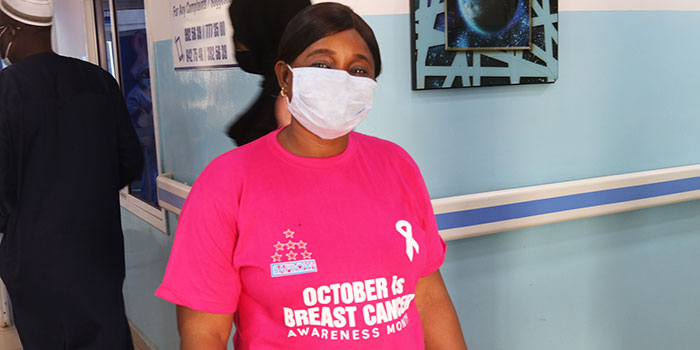
- Wear a protective face mask in public places or when caring for someone who is sick
- Stay home if you feel unwell or suspect you may be infected
- Take extra precautions if you have underlying health conditions such as hypertension, heart disease, lung disease or diabetes
©BAFROW Medical Centre
How we are helping
As per national directive, we do not perform Covid 19 testing.
We collect smears from inpatients suspected of having the virus. These smears are then sent to the National Laboratory for processing. The results are sent to us to share with the patient.
Routine Safety Measures
- Regular disinfection of the facility
- Controlled human traffic inside and outside the premises
- Use of protective gear (masks, gloves, gowns) with universal precautions
- Isolation and monitoring of suspected contagious cases in a regularly decontaminated unit
COVID 19 Specific Measures
Guided by our Emergency Preparedness and Response Plan and national/international guidelines, we implement:
- Patient screening (temperature checks, symptom monitoring) and isolation of suspected cases
- Mandatory hand washing or sanitizing at our entrance and critical times (e.g. before/after patient interaction, eating, toilet use, garbage handling)
- Enforcing two-metre physical distancing
- Inpatient Visitors Policy in place
- Regular COVID 19 testing for staff
- Patient education on hygiene, infection prevention and vaccination importance
Awareness and Education
- On-going information campaigns for patients and visitors
- Video resource: Maintaining Good Hygiene and Sanitation Practices for Infection Control at BAFROW Medical Centre
Your responsibility is simple – by respecting and following our preventive measures when you visit BAFROW Medical Centre, you help protect yourself, safeguard others and contribute to stopping the spread of COVID 19.
What You Can Do
- Follow all safety instructions given by staff
- Practice good hygiene: wash or sanitize your hands regularly
- Wear your mask properly while inside the facility
- Keep physical distance of at least two metres from others
- Avoid unnecessary contact with patients, staff, or visitors
- Stay home if you feel unwell and seek medical advice
FAQs