FREQUENTLY ASKED QUESTIONS (FAQs)
©BAFROW Medical Centre
Breast Cancer
Breast cancer occurs when abnormal cells in the breast grow uncontrollably, forming a tumour or lump. These lumps are often painless.
If not treated early, the tumour can grow larger and the cancer may spread to other parts of the body.
It is important to note that not all breast lumps are cancerous. If you discover any new lump in your breast, consult your doctor promptly for proper evaluation.
Breast cancer is the second most common cancer among women in The Gambia, accounting for 14.9 per cent of all cancers affecting women.
The burden is severe: in 2022 alone, there were 101 new cases, and tragically, 50 women died from the disease. This highlights both the high incidence and the urgent need for early detection and improved treatment access.
Source: Global Cancer Observatory (2022)
Like many other non-communicable diseases, reducing the risk of breast cancer requires a combination of healthy lifestyle choices and regular screening such as:
Performing a self–breast exam once a month to check for lumps or other abnormalities. It is important to know that self-breast examination is not a diagnostic tool and should be combined with clinical breast examinations and screenings.
Having a mammography at least once every two years to detect lumps too small to feel.
Consulting your doctor about how often you should have breast examinations and mammography screenings, especially as you get older.
Leading a healthy Lifestyle (e.g.):
- Eating a balanced, nutritious diet
- Stopping smoking, if you are a smoker
- Reducing or avoiding alcohol consumption
- Exercising regularly, staying active and maintaining a healthy weight.
Finding out if there is any history of breast or ovarian cancer in your family, as this may increase your risk.
It is important to pay close attention to any changes in your breasts. Consult your doctor if you notice one or more of the following symptoms:
- A firm lump in the breast or armpit that was not there before. It is important to know that most lumps are benign (not cancerous) but any new lump and irregularities should be checked clinically
- A change in the size, shape or feel of your breast (for example, one breast becoming larger)
- Changes in the nipple, such as inversion, rashes or discharge when you are not pregnant or breastfeeding
- Changes in the skin of the breast, such as dimpling or redness (more visible on lighter skin tones)
- Persistent breast pain
Your doctor will carry out investigations to determine whether the changes are cancerous and, if so, how advanced the cancer may be. These tests may include:
- Mammography: An X-ray screening to detect lumps or abnormalities too small to feel
- Biopsy: A procedure where small samples of breast tissue are taken and examined for cancer cells
Being told you have breast cancer can feel overwhelming and frightening. Remember, you are not alone—your doctor will ensure you have all the information you need about the next steps and the support available to you.
This is also an important time to ask questions and learn as much as you can about the disease and the resources that can help you through your journey.
Yes, most breast cancers can be cured if detected early and treated promptly.
Several factors determine the type of treatment you may need, including:
- The type of cancer
- The size of the tumour
- The location of the tumour
- The stage or severity of the cancer (whether it has spread and how far)
Depending on your condition, treatment may involve one or more of the following:
Surgery:
- Lumpectomy: Removal of cancerous areas of the breast
- Mastectomy: Removal of the entire breast
- Lymph node surgery: Removal of cancer cells from lymph nodes in the armpit.
Chemotherapy: Use of drugs to kill cancer cells throughout the body.
Radiotherapy: Use of high-energy X-ray beams to destroy cancer cells.
Hormone Therapy: Reducing or blocking hormones in the body to prevent them from stimulating cancer cell growth.
At BAFROW Medical Centre, we are committed to supporting women through prevention, early detection and treatment of breast cancer by:
- Providing routine information and counselling
- Conducting health education sessions to encourage positive behaviour and lifestyle change, and actively dispel myths that promote stigma around breast cancer
- Offering breast examination to women aged 20 years and above
- Offering mammogram screening, recommended for women aged 50 years and above, and available on request at any age. For women with risk factors—such as family history of breast or ovarian cancer, genetic mutations, obesity, smoking or alcohol use—we recommend starting screening at age 40 or earlier.
- Offering surgery, including lumpectomy (removal of cancerous areas) and mastectomy (removal of the entire breast)
- Offering chemotherapy: Use of drugs to kill cancer cells
- Offering hormone therapy to reduce or block hormones that stimulate cancer cell growth.
- Providing referral for radiation therapy under a doctor’s advice
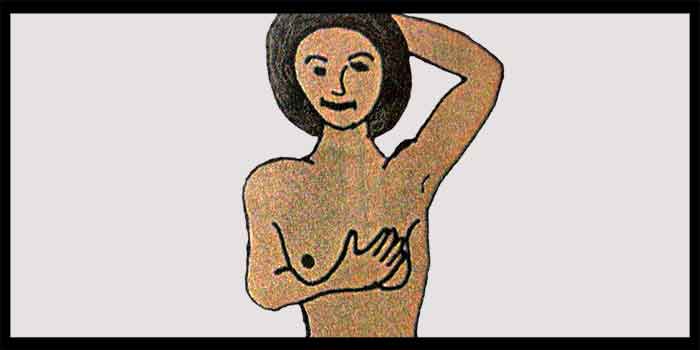
It’s simple. Click on the “Self‑Breast Examination” link below and follow the guided steps.
It is important to perform the exam monthly, using both visual and manual palpation. The best time to perform a self‑examination is 7 to 10 days after your period begins, when breasts are usually less swollen and tender.
If you notice any new lump, discharge or skin change, consult a healthcare provider.
FAQs